Jewelry and Armenian Goldsmiths Under the Ottomans : not only for specialists
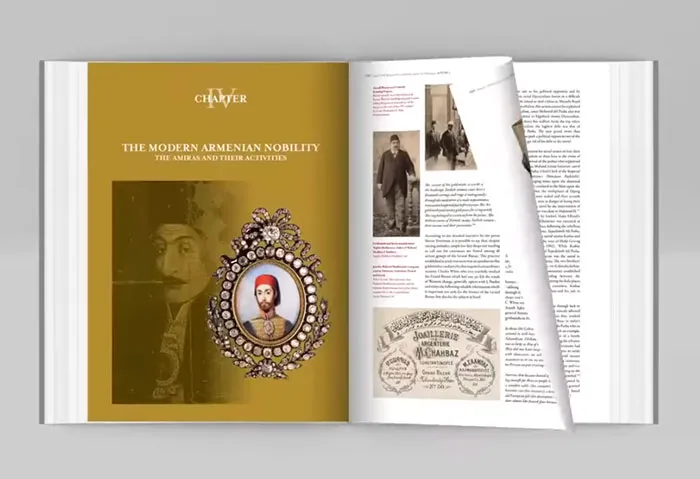
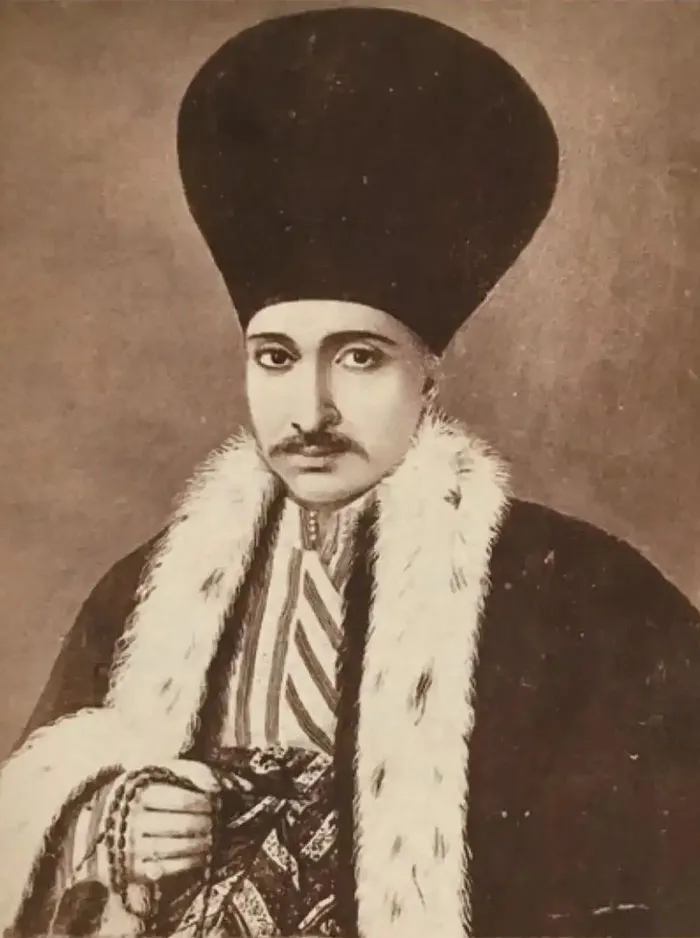
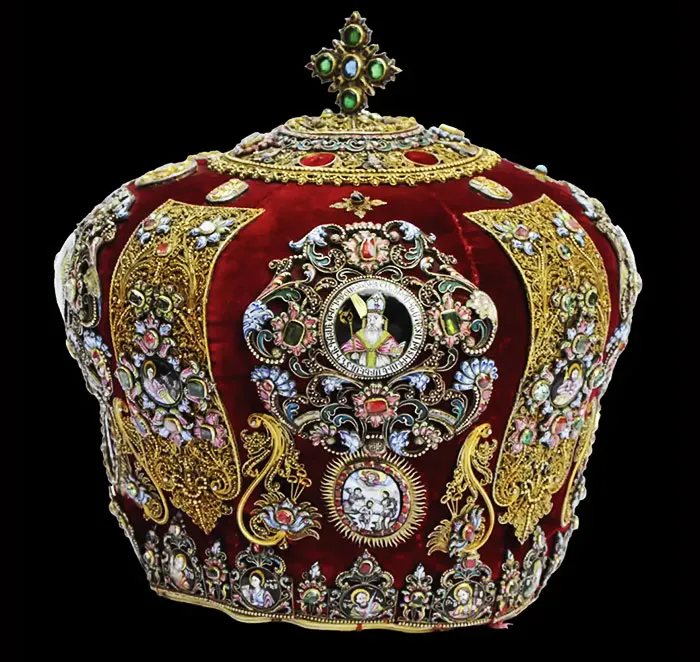
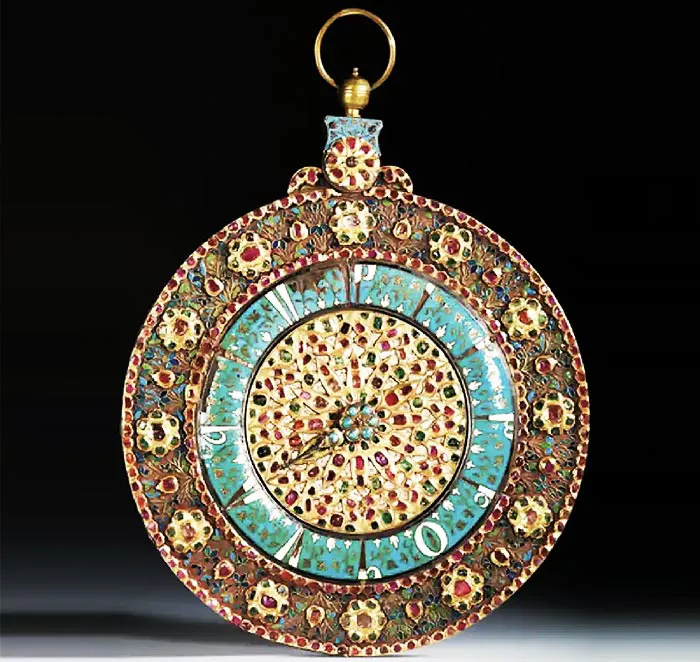
Readers unfamiliar with the Armenian world or jewelry will find plenty to read here. Enthusiasts of sacred art will appreciate the lengthy chapter devoted to goldsmiths in the service of the faith—these virtuosos behind the church treasures of Etchmiadzin, Cilicia, Jerusalem, and Istanbul: crosses, reliquaries, and Gospel book covers made of taffeta embroidered with pearls, in repoussé gold, filigree, engraved with symbols, some adorned with precious stones. The section titled “The Gold Pocket Watch and the Timekeeper” will appeal to watch enthusiasts. Lovers of historical sagas, meanwhile, will be delighted by the stories of master craftsmen, antique dealers, amiras, and money changers. Over the course of a hundred pages, Arsen Yarman traces the story of an iconic success story: that of the Duzian family, whose members were goldsmiths, gem merchants, makers of diplomatic gifts, and key figures at the Imperial Mint.
A body of archives for the discerning reader
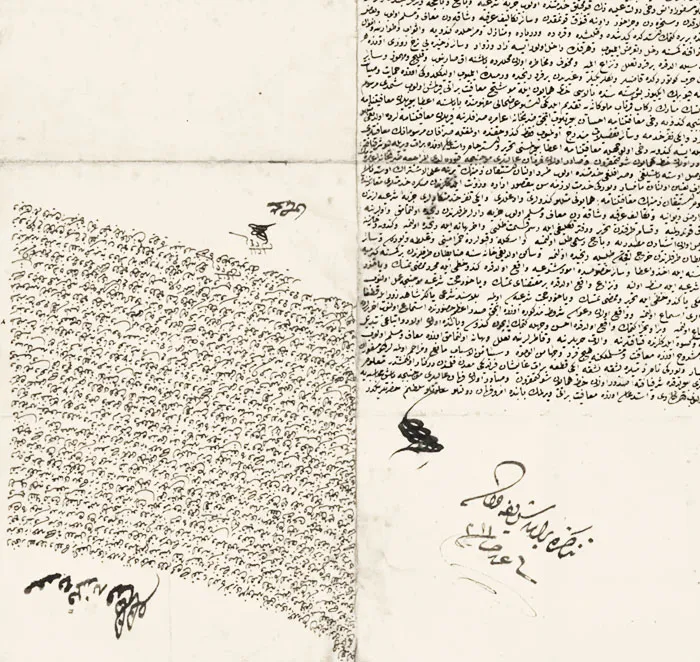
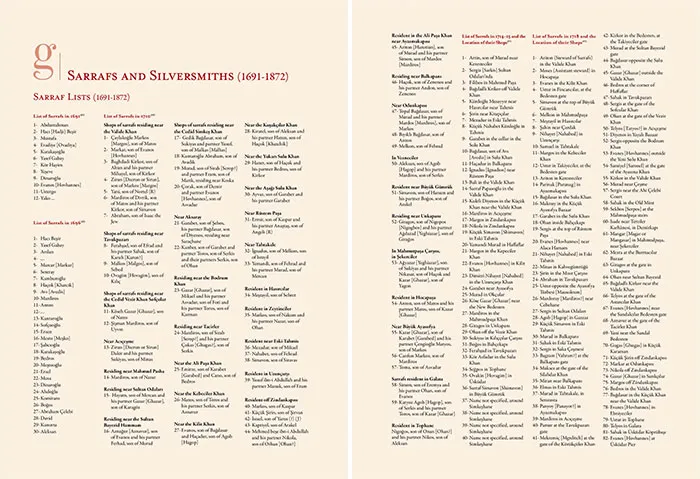
Who makes the jewelry and who commissions it? Who acts as an intermediary? What are the networks? Arsen Yarman answers these questions with great precision, drawing on Ottoman, Armenian, Turkish, and European archives—both official collections and private archives. Examples include “The Charter for the Eternal Unity and Solidarity of the Guild of Artisan Goldsmiths,” and lists of Armenian goldsmiths and jewelers drawn, for instance, from the survey published in the newspaper Milliyet (May 1976), which catalogs the goldsmiths of the Grand Bazaar who paid taxes in 1975. The particular attention paid to seals and signatures allows for the contextualization of the works and the confirmation of certain attributions. Thus, Sarkis Acemoğlu, whose name appeared without further detail on the sword cartels of the Topkapi Palace, emerges from anonymity. Given its wealth of documentation and the precision of its sources, the book is therefore intended for a knowledgeable audience, including curators, art historians, experts, diamond dealers, exhibition curators, and researchers.
Echoes in Paris
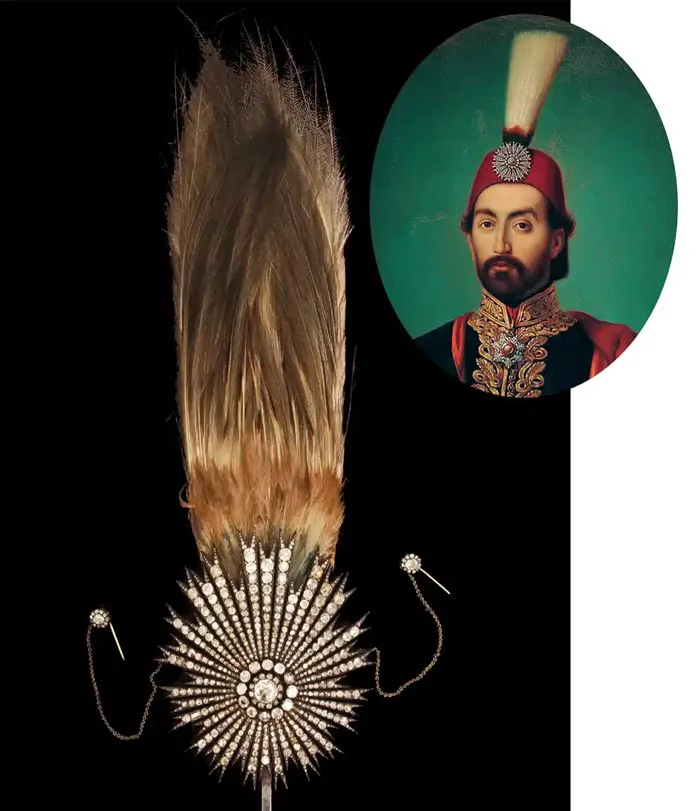
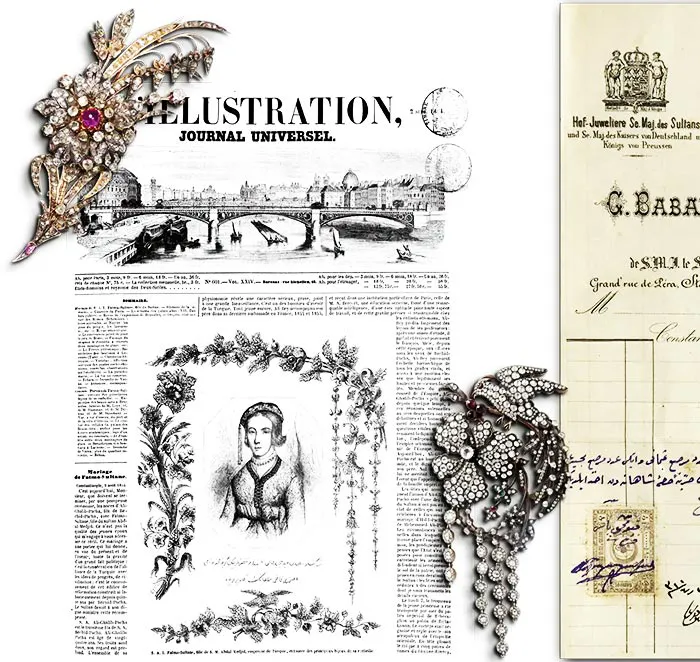
Throughout the pages, Arsen Yarman reveals a history whose echoes extend all the way to Paris, a historic center of jewelry. In 1712, the Armenian goldsmith Chamas had a gem-setting workshop in Paris, beneath the arcades of the Palais Royal. The activities of the Kalebdjian brothers, antique dealers based on Rue de la Paix, also bear witness to this: they fueled the imagination of Parisian jewelers such as Henri Vever and Louis Cartier by selling them numerous objects from the Middle East. It was also in Paris that, in 1911, following the deposition of Abdulhamid II, the spectacular sale of his jewels took place, first organized at the Galerie Georges Petit, then at the Hôtel Drouot. The striking reproduction of the catalog features, notably, a Mellerio necklace and two others signed by Lacloche. And even today, the story told by Arsen Yarman resonates in the 9th arrondissement* through the presence of many Armenian artisans, or artisans of Armenian descent, in jewelry workshops.
Jewelry and Armenians Goldsmiths Under The Ottomans published by Yapi Kredi, Istanbul – 500 euros (The Turkish edition was published in 2022)