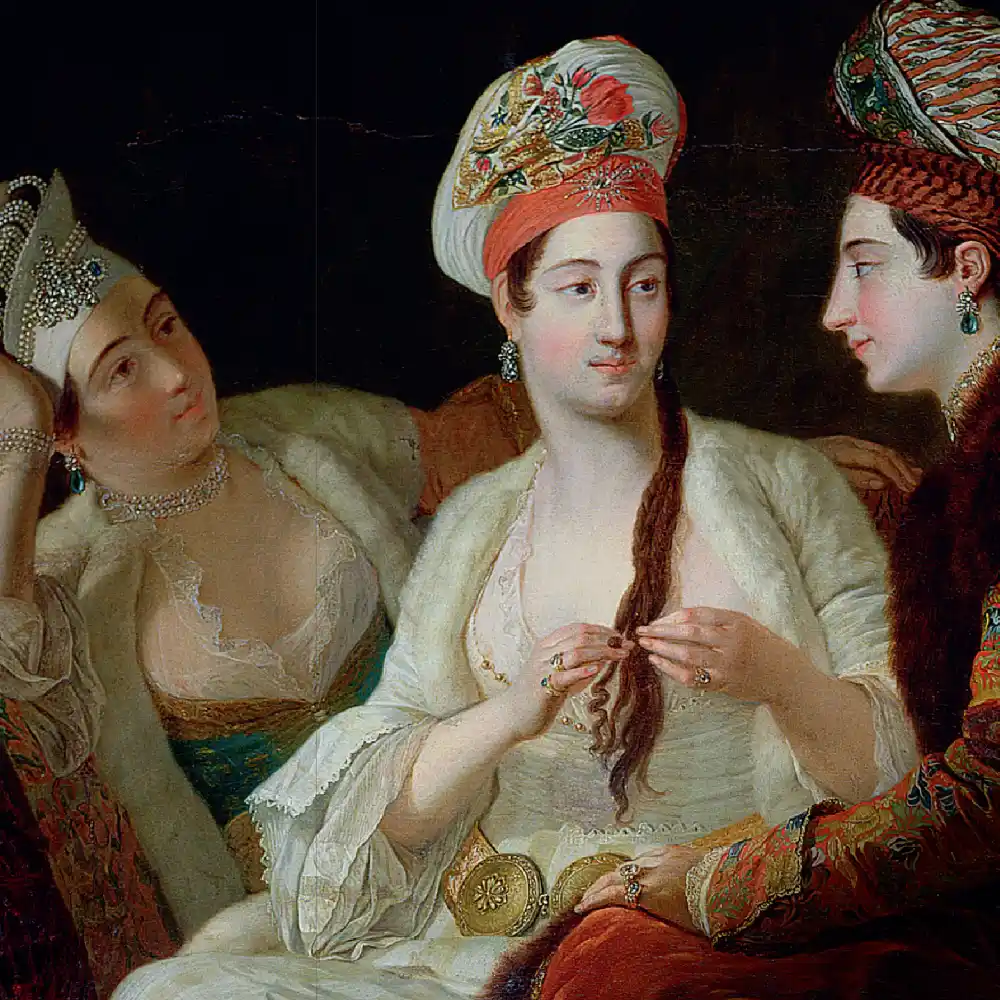
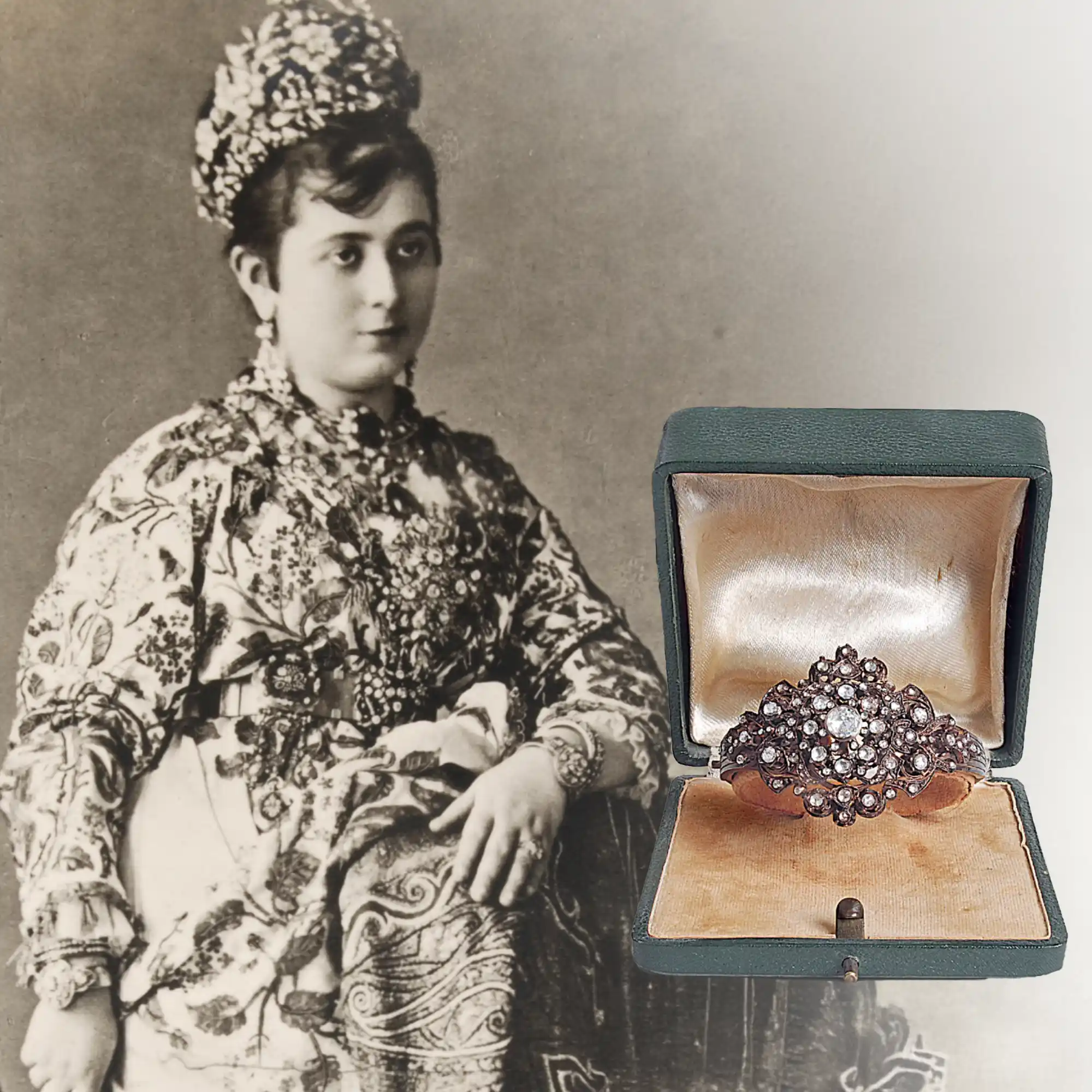
The women being Levantine makes it possible to believe in the veracity of the scene.
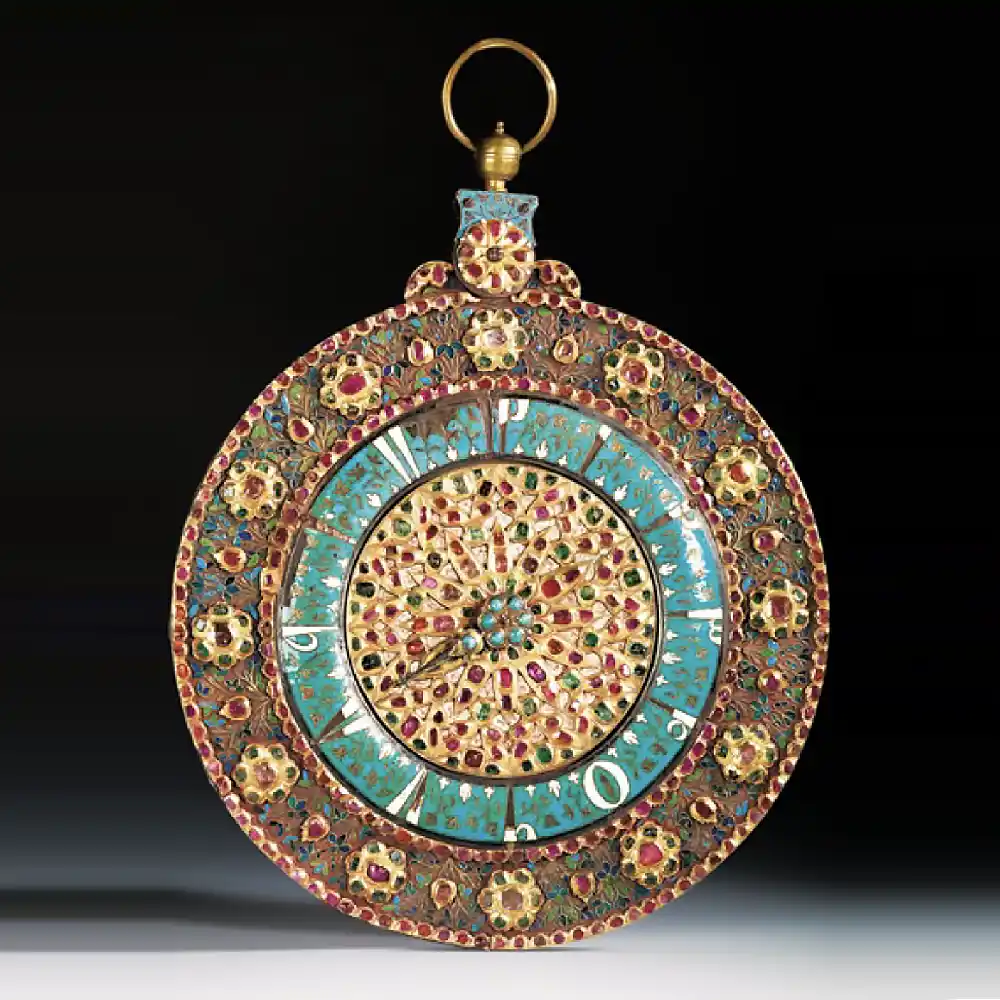
The clockface has only one hand used as the hour-hand.
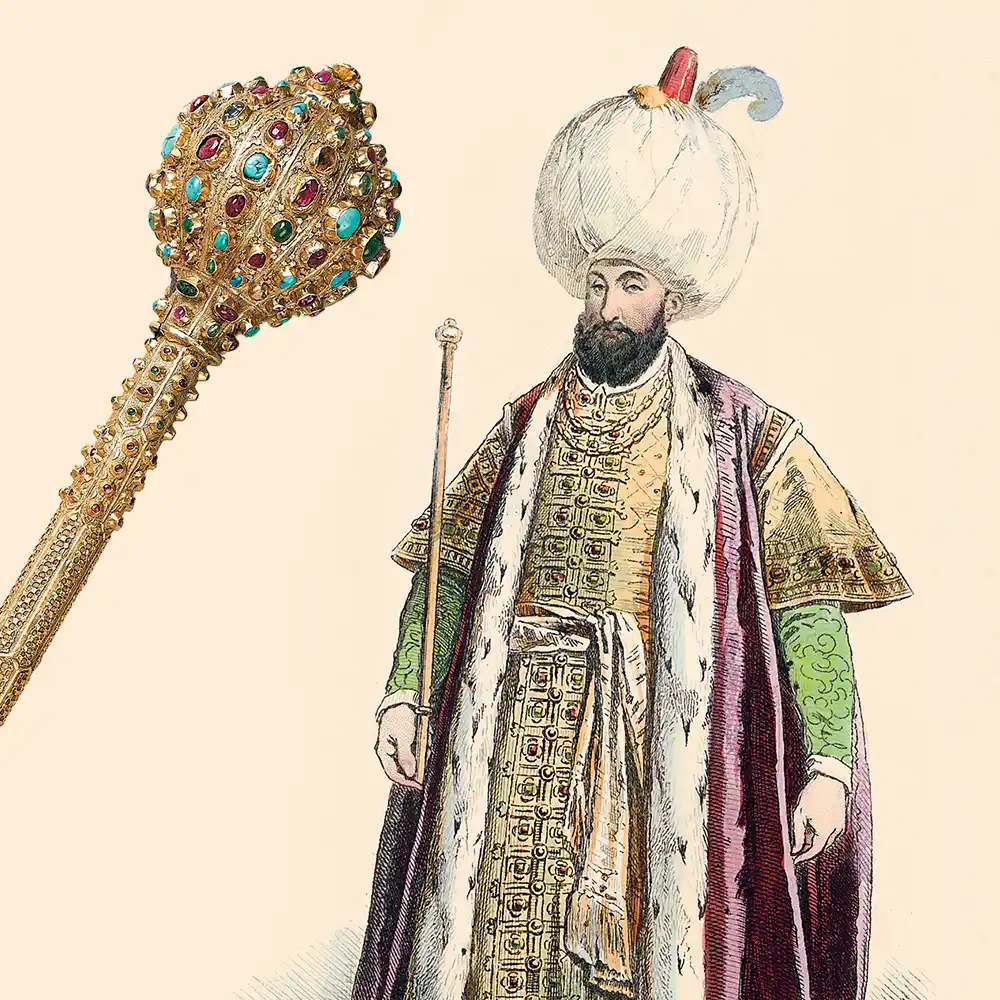
The head of the mace, which is even more eye-catching above the knop on the shaft, is also decorated with emeralds, rubies, and turquoises.
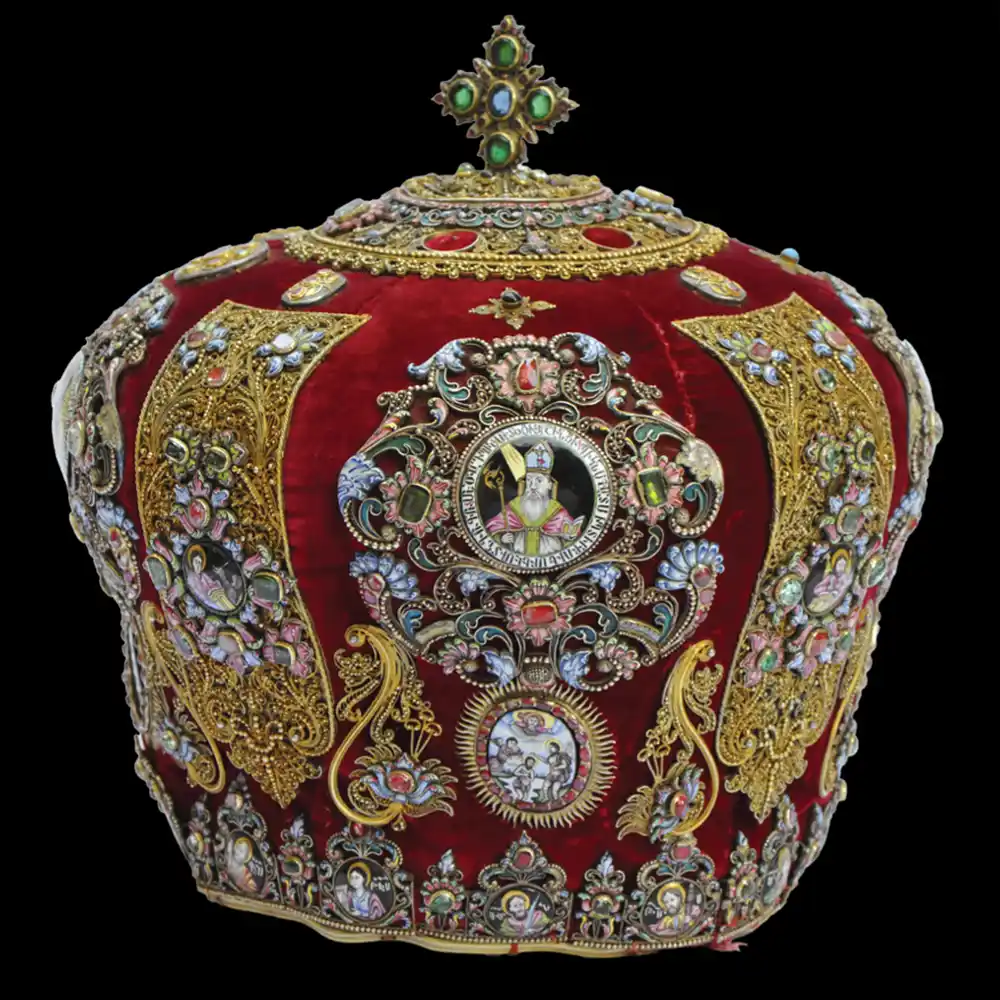
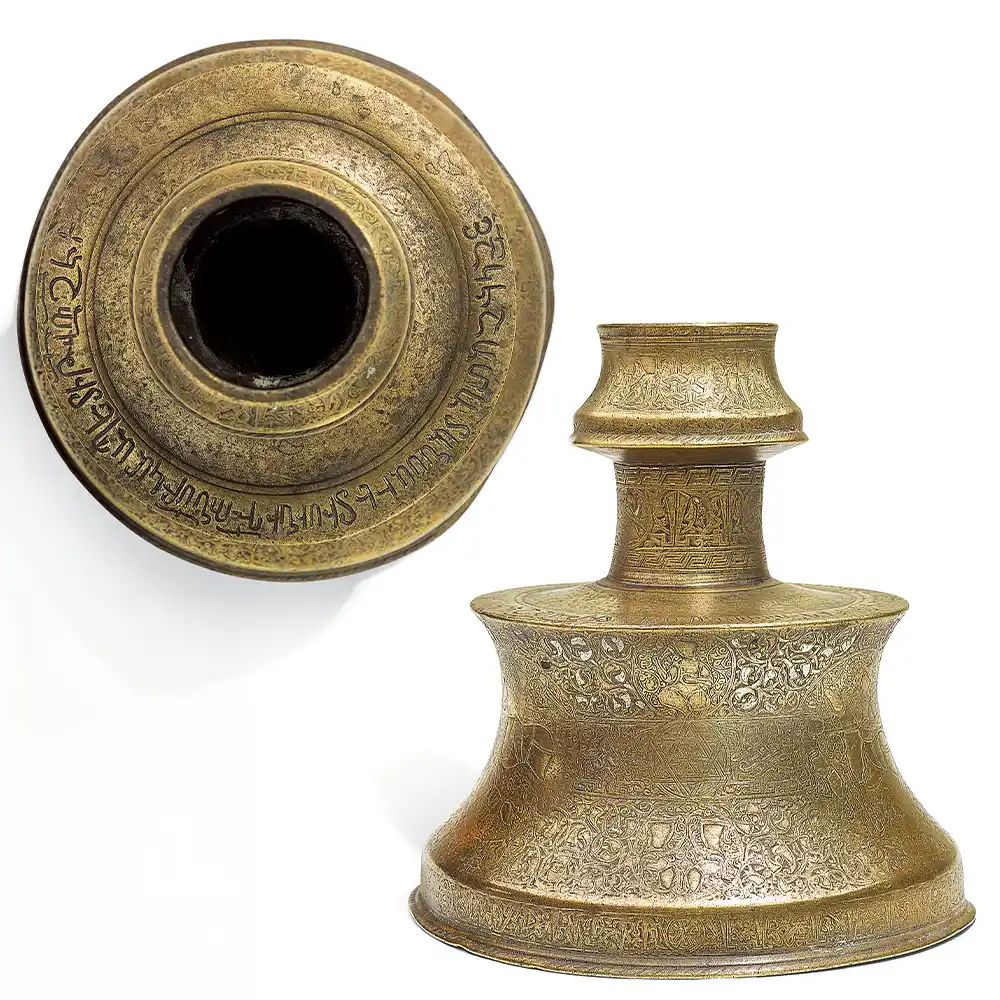
Made in 1747 in Istanbul for Grigor Shirvantsi (nicknamed Şığtayagir/Chain-bearer), Patriarch of Jerusalem and donated by baker Melkon of Istanbul and his family.
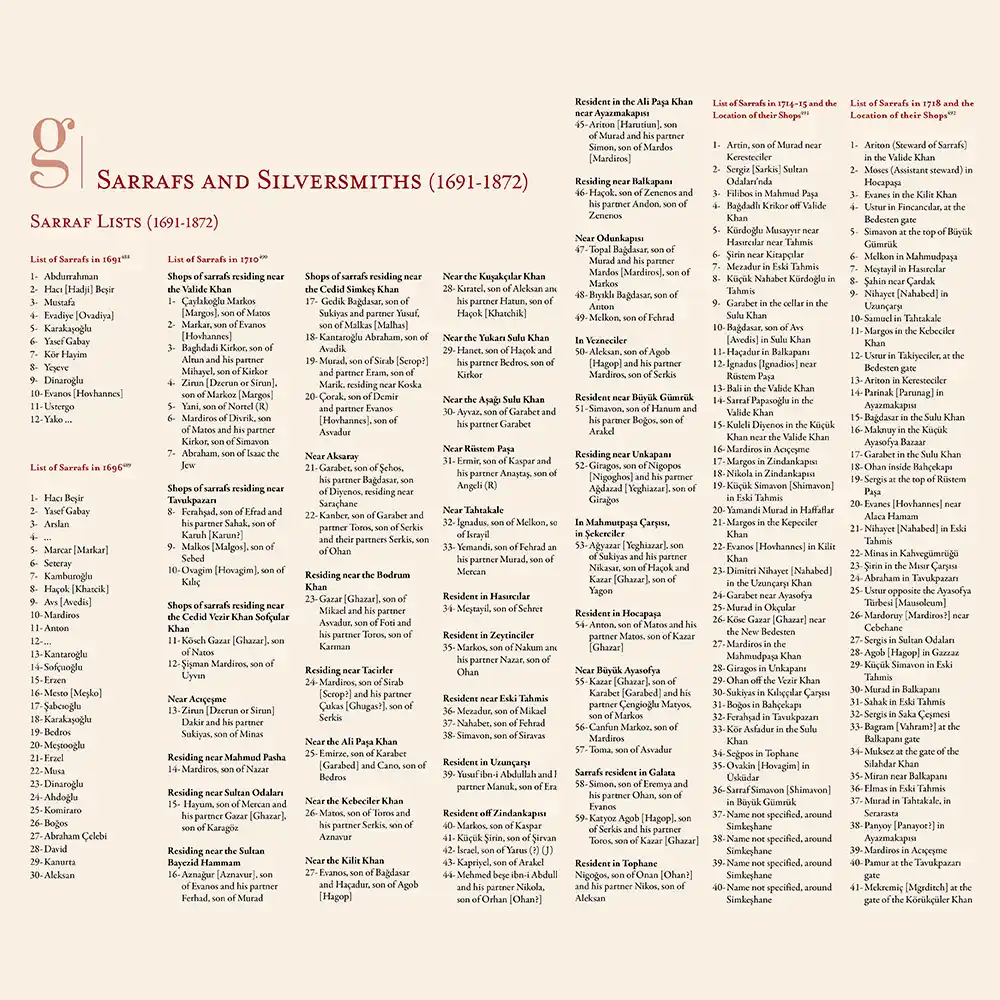
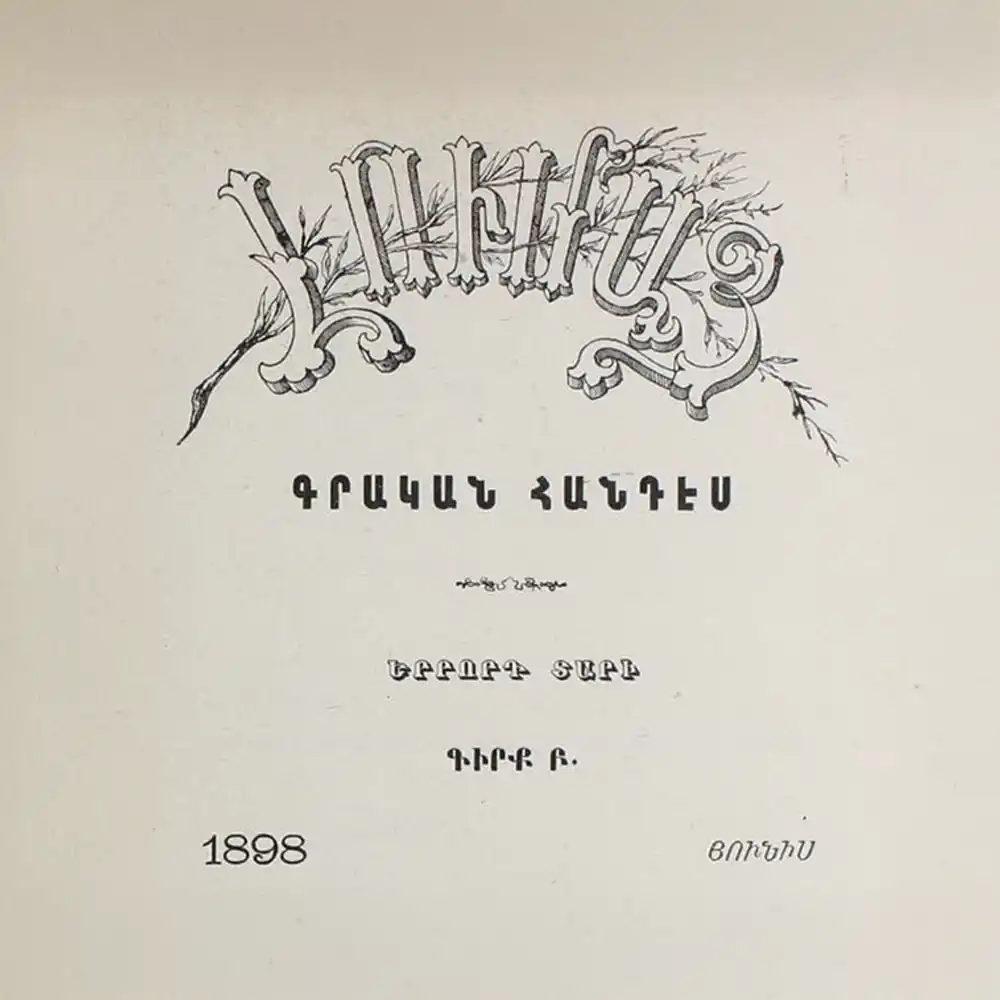
Sarraf lists from different periods have been extensively used throughout our book.
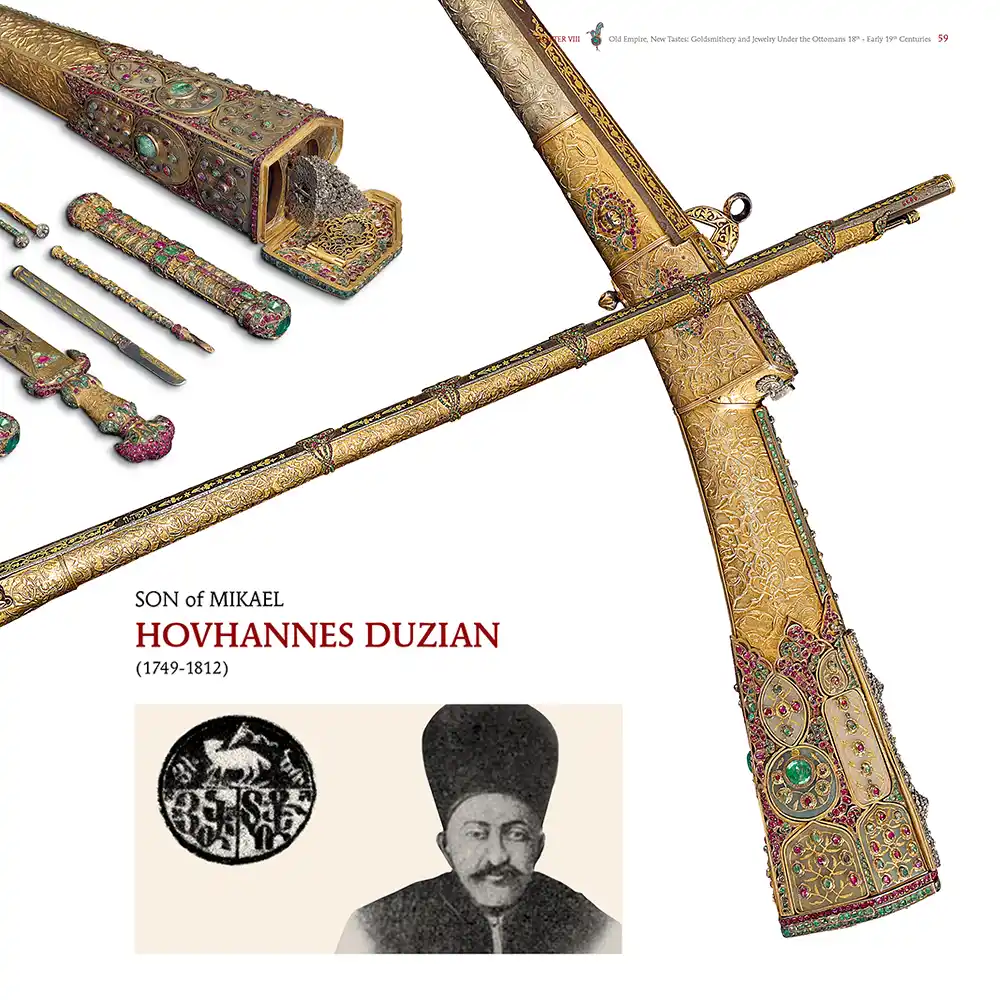
Eighteenth century. General view of the musquet, gunstock and butt coated with gilding.
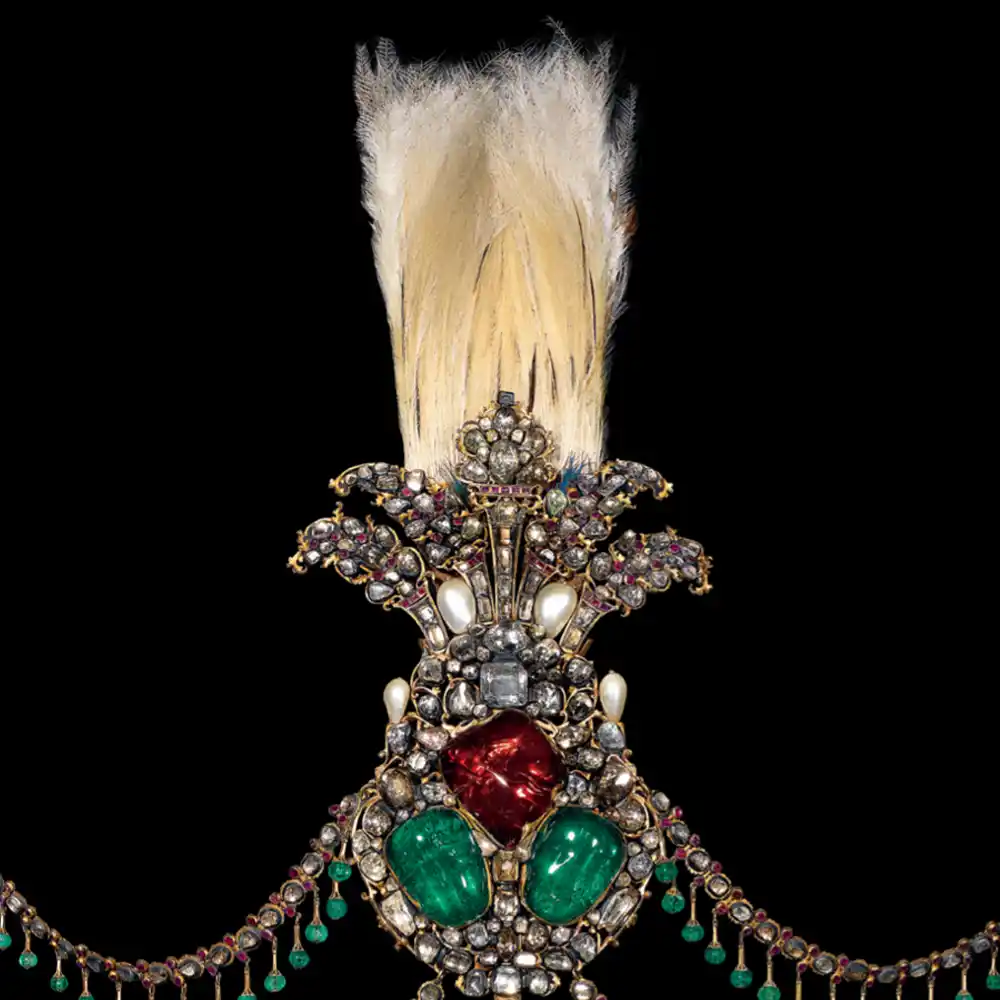
18th century. With two large emeralds, a large ruby above them, and many small diamonds and pearls surrounding these, this aigrette from the Topkapı Palace Treasury is extremely sumptuous.
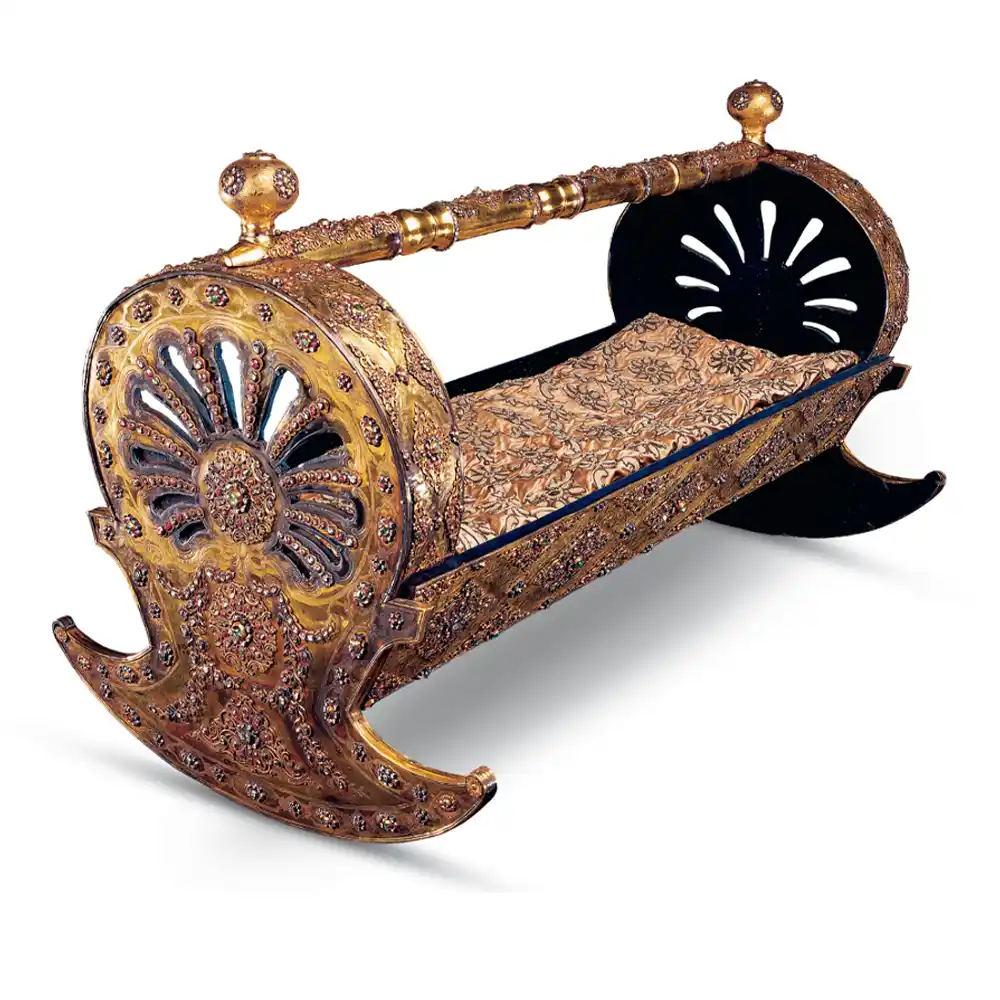
Gold, brilliants, emeralds, rubies and tourmaline on wood; length 109 cm, width 57 cm. The external parts of the crib made of walnut or ebony are completely clad with gold and heavily ornamented with precious stones.
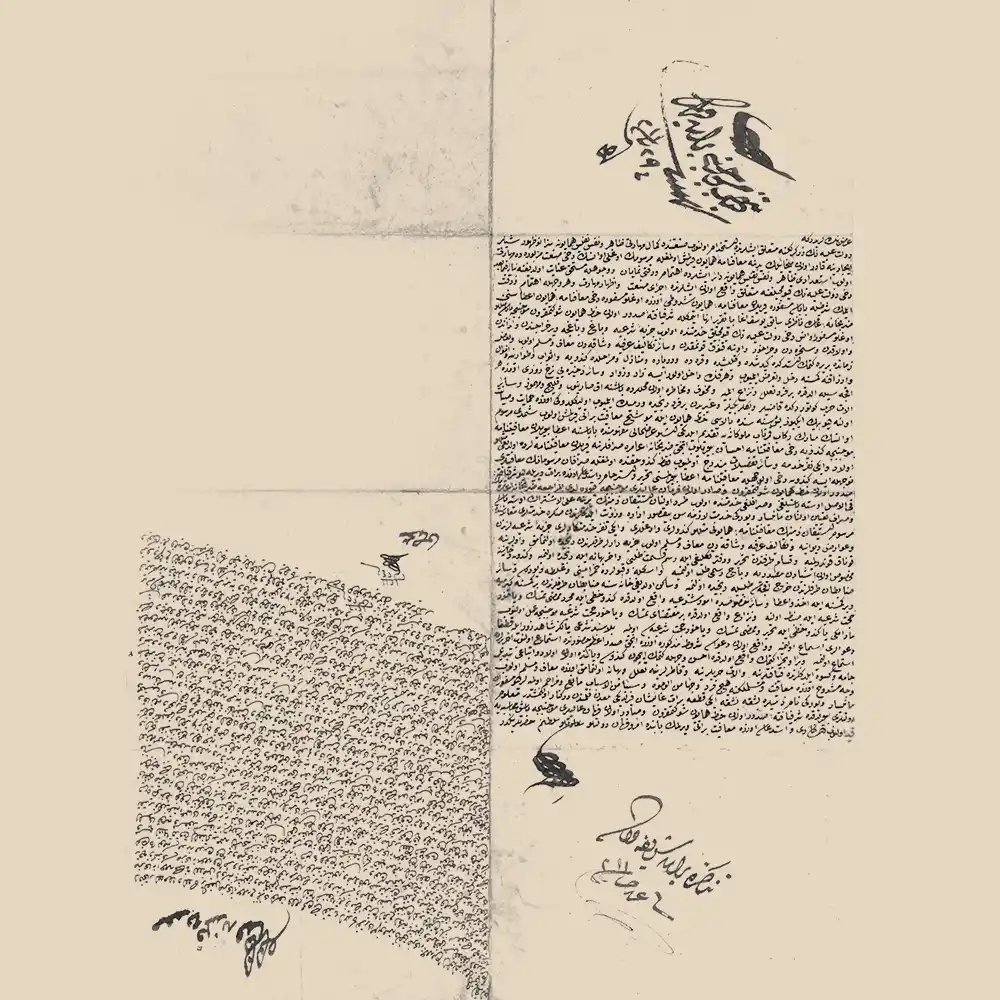
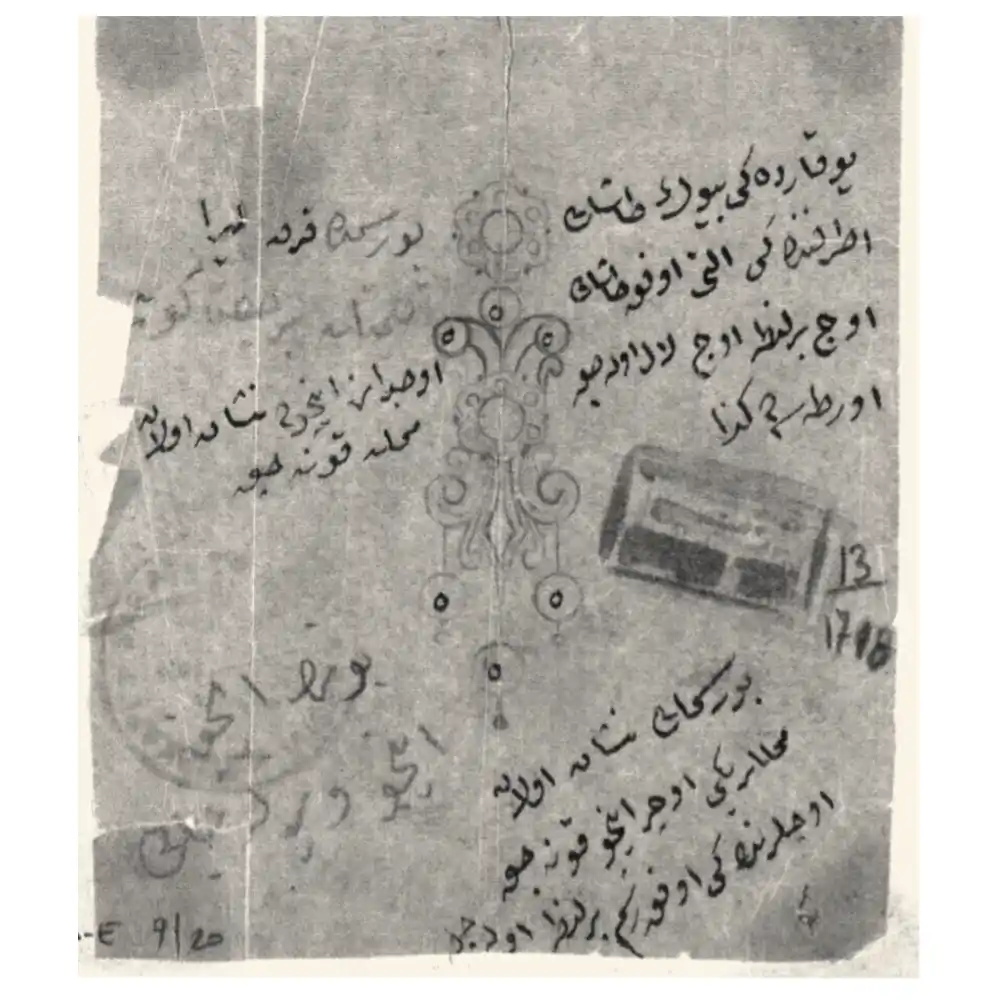
The exemption certificate awarded to Düzoğlu Mikael and his son Ohannes and its translation.
The stamped edict of Es-Seyyid Osman, the Cadi of Istanbul, about the tombac artisans, as approved by Selim III (r. 1789-1807).
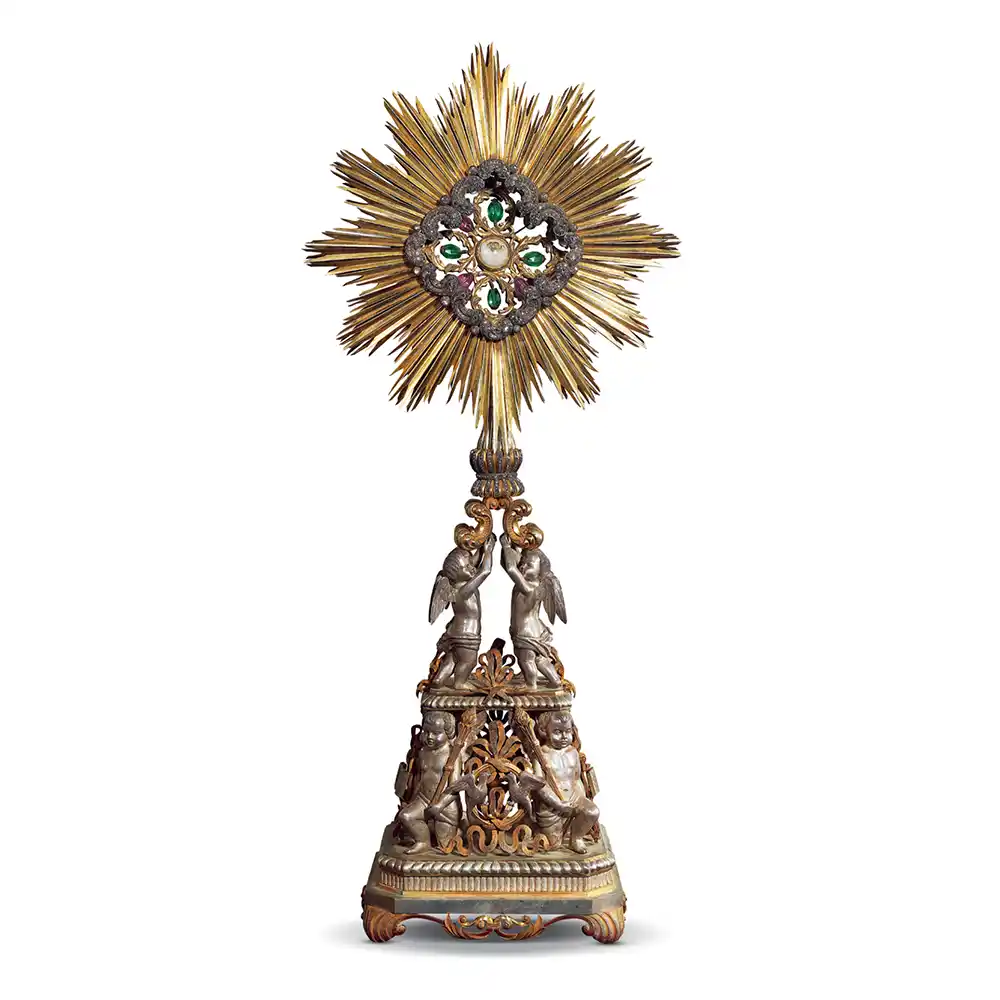
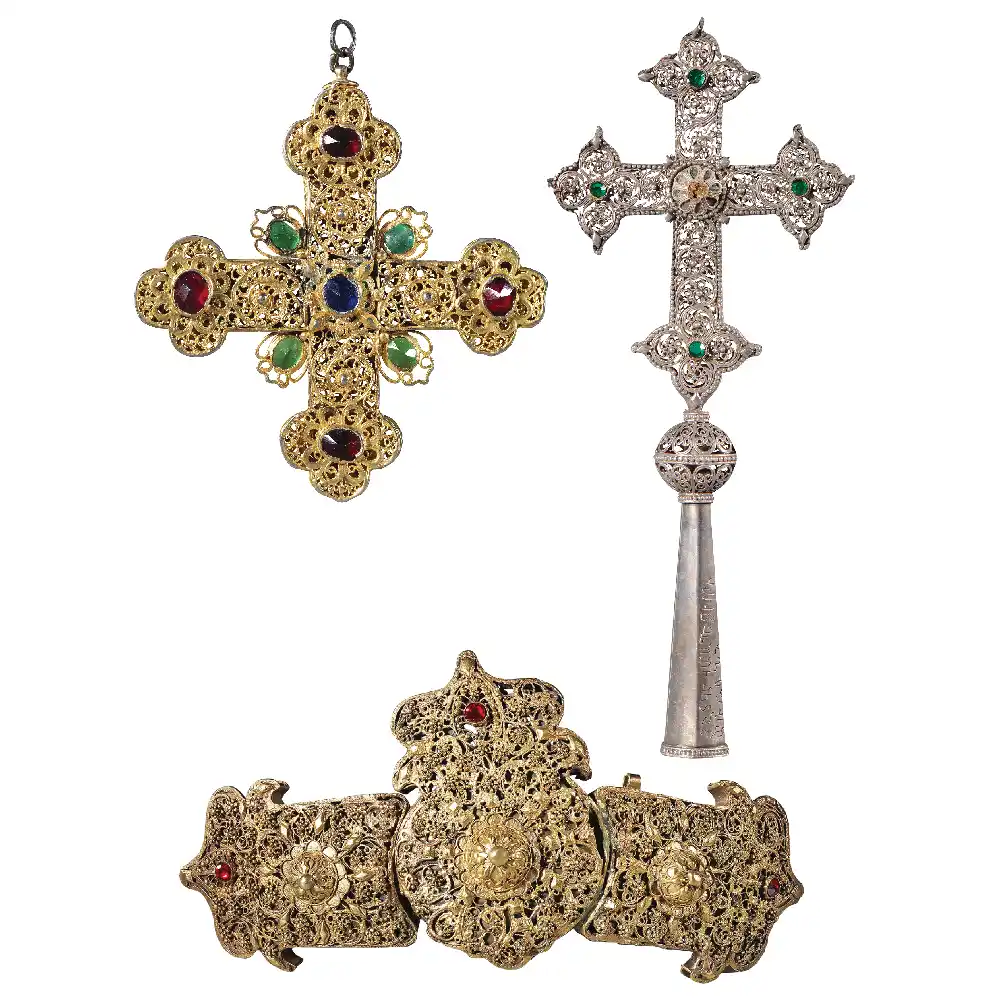
Late 18th and early 19th centuries. 57 x 15 cm. Silver, gold plated silver, gold, precious and semi-precious stones.
Although the goldsmithery of Istanbul was under Western influence for ornamentation and some forms, a few techniques with Oriental roots were still present in the capital and filigree was one of the most important among such techniques.
The historical value of archival documents about the guilds that played major roles in the commercial life of the Ottoman era, in particular of their internal texts is indisputable in terms of raising our knowledge about Ottoman guilds in general and those of artisan goldsmiths in particular.
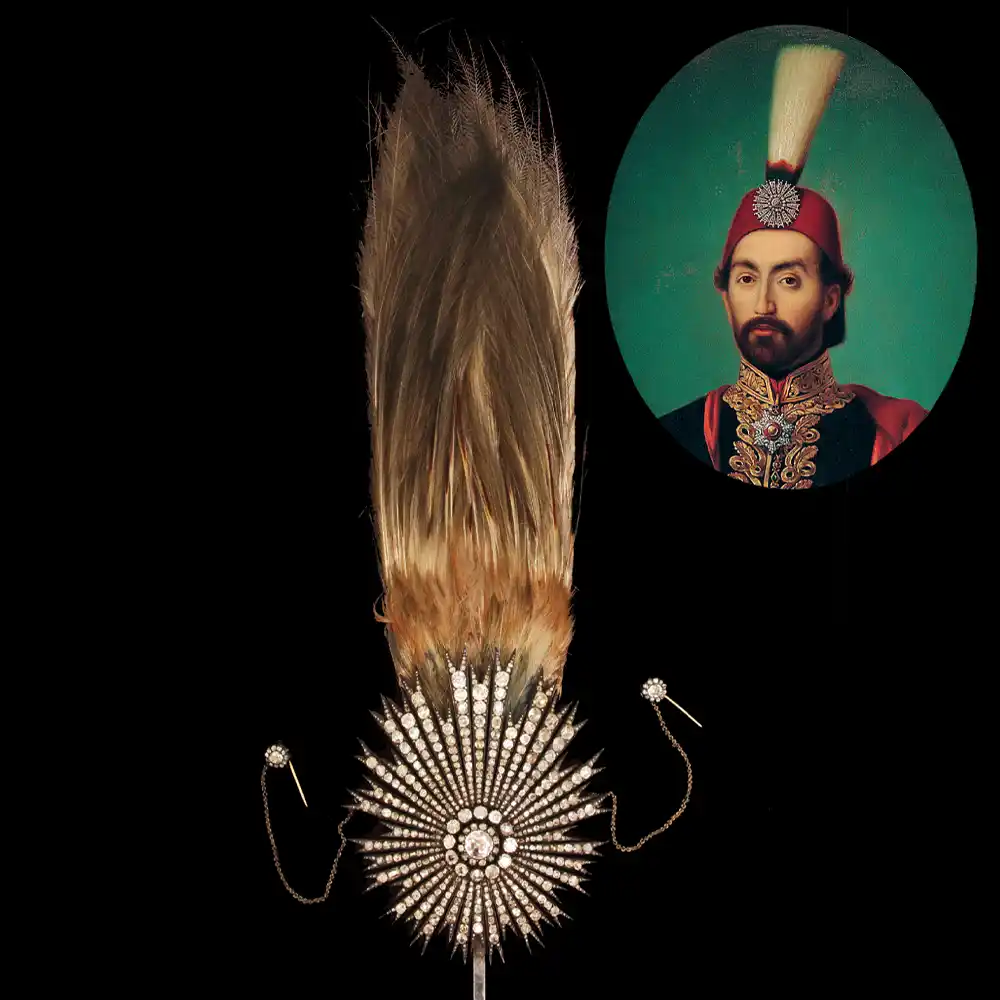
Although from the 19th century, this aigrette keeps up with the 18th century traditions through some of its features and is characterized with rays radiating from the center, a very popular design of the period.
(Goldsmiths, sarrafs, silver wire-drawers, cup holder-makers, enamellers, dismantlers, clockmakers, gilders, gold sellers, silversmiths, lapidaries, pearl setters, inlayers, bracelet-makers, searchers, simplers, engravers, setters, carvers, inlayers and buyers)